Allergens and dust
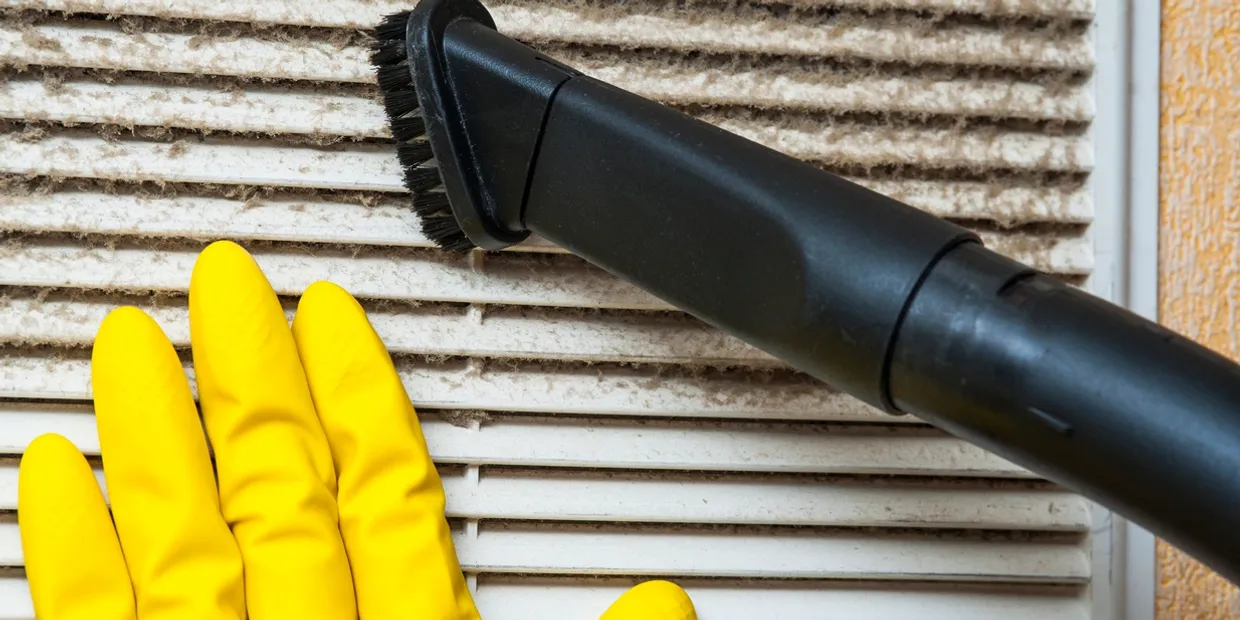
Ductwork collects dust, pet dander and pollen, then redistributes it through the whole house each cycle. It is the reason a clean-looking room still feels dusty two days after you wiped it down.
San Antonio, Texas · Residential & commercial
Dust, dander, mould spores and construction debris settle in your ductwork and get pushed back into every room, every time the system runs. We take it out of the house instead of moving it around.
Current special
$99
Cleaning special on now. Call (210) 455-2369 for what's included and to get on the schedule.
01 — Why it matters
Everything the system breathes in, it breathes back out — into the bedrooms, the kitchen, and the room the baby sleeps in.
Ductwork collects dust, pet dander and pollen, then redistributes it through the whole house each cycle. It is the reason a clean-looking room still feels dusty two days after you wiped it down.
South Texas humidity plus cool metal makes condensation, and condensation in a dark duct is where mould grows. You will usually smell it before you see it.
A dryer vent packed with lint is a genuine fire hazard, not a housekeeping problem. It is also why the dryer takes three cycles to finish a load.
Before & after
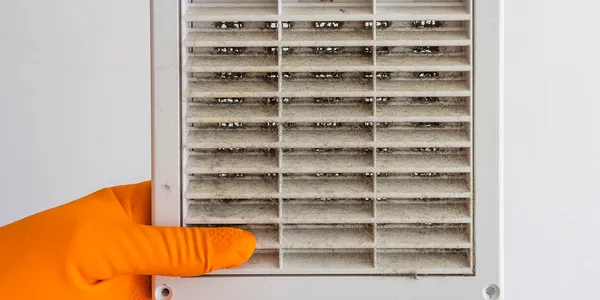
The left is what the air in most homes is moving through right now. The right is the same run of ductwork after a clean.
One photograph of one duct, straight down the middle — not two different pipes.
02 — How we clean
The last step is the one that matters. Anyone can knock debris loose. The question is where it goes next.
Step one
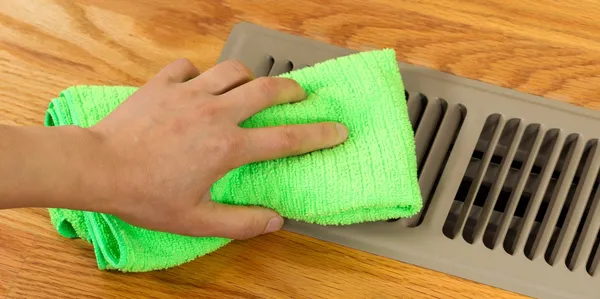
Brushes and air tools work the contaminants free of the duct walls, where years of dust has packed down and stuck.
Step two
High-pressure air is pushed through the system, driving everything that was loosened out of the ductwork and toward the collection point.
Step three — the one that counts
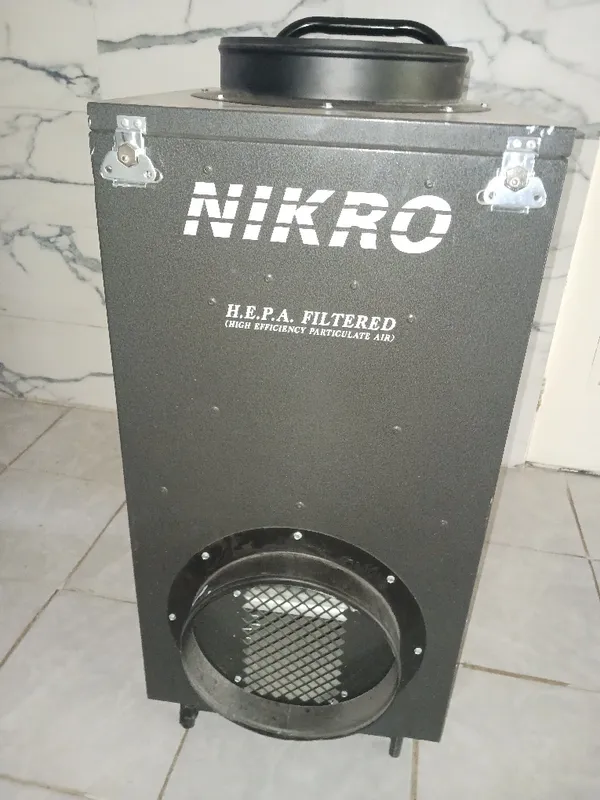
Everything we remove goes into a NIKRO HEPA filtration unit and leaves with us. Without HEPA capture, duct cleaning is just relocating the problem into the air you're standing in.
03 — Dryer vents
A blocked dryer vent traps heat and lint together in a metal tube. That is a fire waiting for a reason. It is also costing you money every week: a restricted vent means the dryer runs two or three cycles to do one load.
Tell-tale signs: clothes still damp after a full cycle · the dryer or the laundry room hot to the touch · a burning smell · lint around the outside vent hood.

Tell us how many vents and returns you have and roughly how old the system is, and you'll get a straight price on the phone.